Category: Media

  • UK museum stops selling tissues with Krishna’s image

    As the first Hindu anti defamation organization in the world, AHAD’s impact has been felt globally.  

    Shyam Bhatia in London | December 12, 2002 20:26 IST

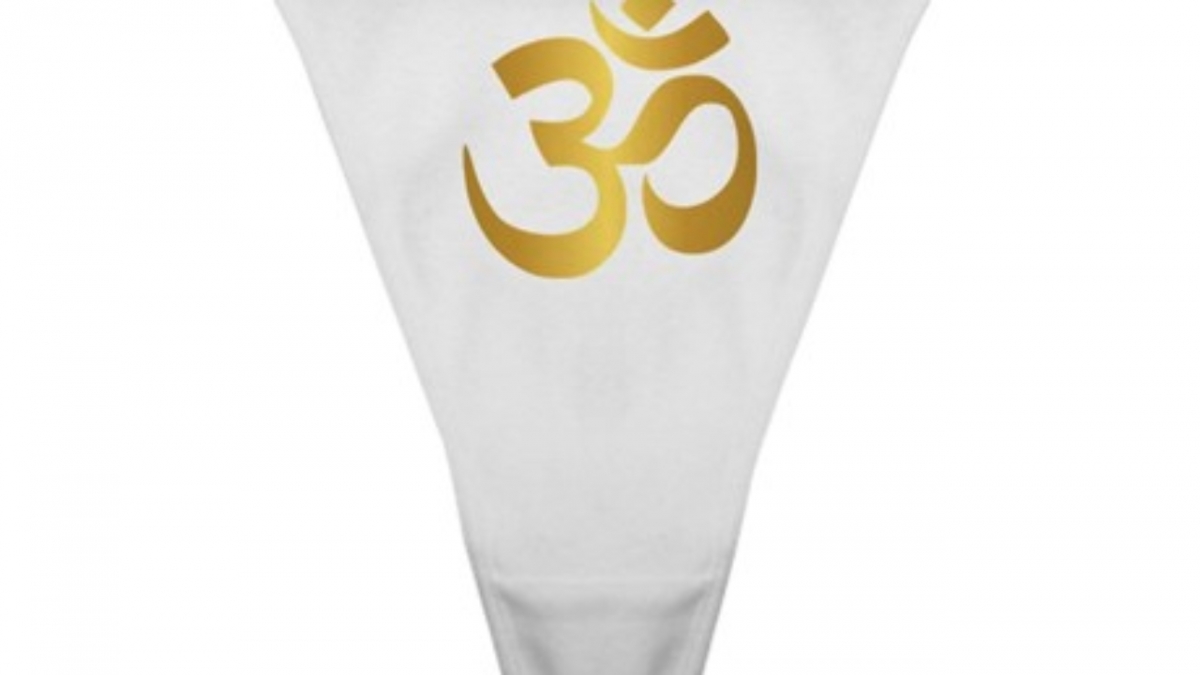
    Following protests from Hindus, one of Britain’s most prestigious museums has withdrawn the sale from its gift shop of a brand of paper tissues that bear the image of Lord Krishna.

    The Victoria and Albert Museum agreed to stop selling German-made Sniff tissues after a complaint from UK’s National Council of Hindu Temples.

    Bimal Krishna Das, a spokesman for the NCHT, told rediff.com: “We are horrified to imagine that anyone thinks such a thing is acceptable. It is very offensive for Hindus to blow nose on an image of Lord Krishna; it is unthinkable and unimaginable.”

    Earlier this year, the NCHT was instrumental in persuading the London Departmental Store Selfridges to withdraw confectionery cakes made in the form of Ganesha, Shiva and Parvati.

    Das said a sister organisation in the United States, American Hindus against Defamation, had also successfully campaigned against the portrayal of Hindu gods and goddesses on toilet seats.

    He said that the NCHT had also been successful in the UK in blocking a recent television commercial advertising a local brand of beer that involves a yogi and levitation.

    “The ad is funny”, Das conceded, “but the perception is that the yogi is being made fun of.”

    A spokesman for Sniff told rediff.com that numerous complaints had been received about their product, but “it is not the intention of the company to offend any religion.

    “Our company isn’t interested in laughing at anyone’s belief. In our last collection we printed tissues both with the image of Lord Krishna and Virgin Mary. In our opinion these tissues are used as accessories and for fashion reasons.

    “We had a great response for these products. Young people really liked it because Virgin Mary and Lord Krishna have become cult characters… they start to think about religious things again. So we attract attention, but in a positive way. We’d like to express our apology if we hurt anybody’s feelings.

    “We won’t stop producing and selling these products. That wouldn’t help anybody. We can only repeat our apology and explain that we respect any belief.”

  • Press Release: Hindus Enraged at Kohler Company for Image of Lord Nataraja as Scantly Clad Woman Hawking Shower Fixture

    America Hindus Against Defamation Press Release

    Hindus Enraged at Kohler Company for Image of Lord Nataraja as Scantly Clad Woman Hawking Shower Fixture

    Kohler, one of the most prominent plumbing supply companies is using Lord Nataraja (a form of Lord Shiva) in the form of a scantly clad woman and taking a shower to hawk its new shower products.

    The image in the Kohler advertisement appeared in The New York Times on Sunday. Oct 13, 2002. This image is unmistakably that of Lord Shiva as Nataraja. The dancing pose, multiple hands, the hand gestures, the metaphor of water from shower too, resembles the flow of river Ganga (Ganges) usually depicted as flowing through Lord Shiva.

    The tag line for the advertisement “There is a Goddess”, clearly indicates that the advertisement is no coincidence, it is an unequivocal indication that the image of Lord Shiva was distorted and adopted for the advertisement purpose.

    AHAD is disgusted by the abuse of the image of Lord Shiva in such a derogatory manner. Just as the scantly clad image of Christ in shower selling shower fixtures would be offensive and evoke strong resentment in the Christian community, this advertisement image has enraged the Hindu community. Hindu deities are worshipped, they are not exotic images to be distorted, mutilated and abused.

    The Kohler Company’s insensitivity towards Hindus has been compounded by the fact that several calls placed to the PR department of the company by AHAD have gone unanswered.

    AHAD demands that the Kohler Company immediately withdraw all the advertisements with Hindu images, and tender a sincere apology to the Hindu community.

    AHAD reminds the Kohler Company that Lord Shiva is revered by Hindus around the world – major Shiva temples are found in India, Nepal, Indonesia, Malaysia, Singapore, UK, USA and many other countries – and these countries, Kohler has significant commercial interest.

    AHAD requests the Hindu community to visit the AHAD web site and sign the protest book at http://www.hindunet.org/ahad/kohler/

    AHAD has taken a lead role in countering the abuse of Hindu images by major corporation and media. AHAD led successful action of the Hindu community and procured apologies from Sony/Aerosmith, Universal Studios, Warner Brothers, Fortune Dynamics, Sittin Pretty Designs and others for abusing Hindu images and symbols.

    American Hindus Against Defamation is a coalition of major Hindu organizations in North America. It is sponsored by World Hindu Council of America (VHP-A). For more information about AHAD, please contact Ajay Shah ahad@hindunet.org, Chetan Tanna chetan@pacbell.net or Pratap More sriraam@worldnet.att.net

  • Indians in US not amused by ‘racist’ doll

    Indians in US not amused by ‘racist’ doll

    Original URL: http://headlines.sify.com/1645news1….not~amused~by~’racist’~doll

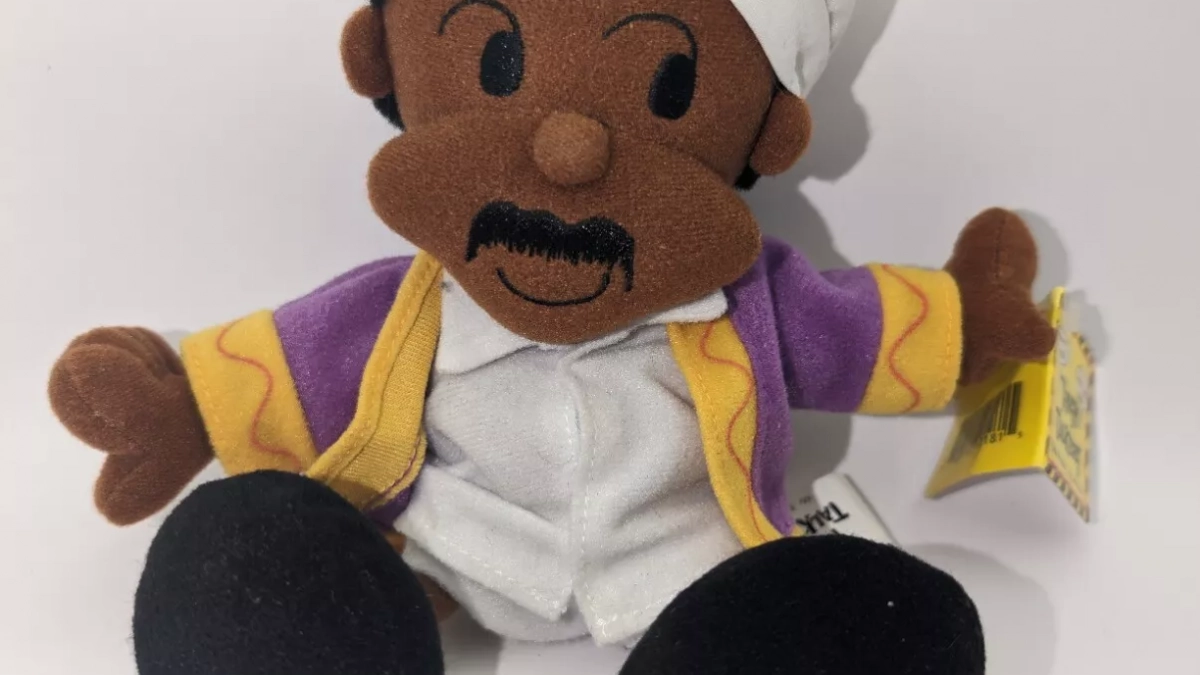
    ‘Mr Patel’, a politically-incorrect doll manufactured by a US company, has angered Indians in America.

    When smacked on the head, the turban-clad doll talks in a sing-song “Indian accent”. The recorded messages range from “Don’t talk like that in front of my back” and “Hamburger. Everything on it, please, but no beef” to more explicit, unprintable messages.

    Manufactures JDK products were forced to change one of the most outrageous messages “In my country, we would have already killed you already” after some customers complained that the message – combined with Mr. Patel’s turban – recalled Osama bin Laden. The message now says: “I do not believe in expiration date. It is always good!”

    Spokespersons of JDK Products, however, laughed away allegations of racism. President Jay Kamhi told a newspaper, “Maybe somebody’s going to die of laughter, but that’s it! It’s ludicrous.”

    “We played the doll’s recorded messages for Indians of all religions. They were excited about the doll, and we had only a five to ten percent negative reaction,” Kamhi said.

    The look of the doll – which sports a Punjabi turban and a bindi, though the two would not normally be worn together and definitely not by a Gujarati named Patel – is part of the joke, said Kamhi

    Other Indians, however, were not so amused. Ajay Shah of American Hindus Against Defamation told India-West that “Mr. Patel perpetuates a stereotype that goes beyond ridicule”.

    “What would be the impact of this doll on the school children with the last name Patel? Would they be taunted … and when they protest, will they suffer physical harm?”

    “Are the manufacturers of this doll ready to accept the legal and moral liability that will inevitably result from the physical and emotional harm caused to the Hindu community?”

    Samples of the Mr. Patel doll, priced at $10.50, can be found online at trashtalkerdoll.com.

  • Hindus object to Tomb Raider sequences

    Hindus object to Tomb Raider sequences

    Author: VIJI SUNDARAM

    Publication: INDIAWEST 

    Publication Date: Jan 17, 2002, 03.33 PM IST

    A Hindu coalition in the US is once again taking up the cudgels against the us entertainment industry for what it calls “religious bigotry.” the target this time is Paramount Pictures which last November released in the us the action-packed movie, Lara Croft: Tomb Raider .

    In the movie is a scene where statues of monkey soldiers at a temple at the famed Angkor Wat complex in Cambodia spring to life and take on monster features as they attack the movie’s heroine, lara croft, played by Oscar-winning actress Angelina Jolie. croft pulls a gun and blows them away. “they’ve depicted Hanuman soldiers as monsters,” world Vaishnava association spokesman Syama Sundar said. “these are obviously revered devotees of the lord.”

    Responding to an angry letter jointly written by WVA and the American Hindus Against Defamation, Paramount’s Senior Vice President Karen Magid wrote back that the entertainment giant, prior to the filming, “discussed with Cambodian authorities the picture’s Cambodian locations and engaged a Cambodian company to act as Paramount’s liaison with the government. “these authorities were provided with a story synopsis which included the depiction of statues guarding the tomb, who come to life to defend the tomb. after reviewing the story synopsis, the authority for the protection and management of Angkor and the region of Siem Reap granted Paramount permission to film the Angkor Wat temple and sacred grounds.”

    Magid went on to say that because paramount got permission from those authorities, as well as from the King of Cambodia to film in Cambodia, it did not think the contents of the movie script would offend anyone’s sensibilities. since it did, “Paramount deeply regrets that any aspect of Tomb Raider may have offended the World Vaishnava Association or any of its individual members,” Magid wrote, adding that no disrespect was meant to Hinduism or Buddhism. but Ajay Shah of American Hindus Against Defamation said that Paramount’s response “doesn’t go far enough.” he said Paramount hasn’t agreed to WVAs and AHAD’s demands to not get “any derivative work” out of the sequence, like video games and advertisement material. nor has it agreed to edit out those offending sequences before it releases the film in other countries, he said.

    Additionally, “that apology is basically meaningless because they have not committed to refraining from doing such things in the future,” Sundar said. Sundar said he didn’t think Paramount did the offending sequences out of ignorance, given that the movie evolved from the video game, Tomb Raider III, where Lord Shiva is depicted as a monster. AHAD and WVA have taken up the issue with the video game maker, as well, Shah said. “Hindu deities and scriptures are suddenly very popular in Hollywood,” Sundar said. “but Hollywood is offending Hindu sensibilities. had it portrayed Jesus or Mother Mary as monsters, there would have been a huge outcry. basically, it amounts to religious bigotry.” Shah said that his group became aware of the offending scene only after someone saw the movie on a flight and contacted his group. the movie finished its run in the US and the UK several weeks ago, and has begun playing in India now. “had we known about those sequences sooner, we would have jumped on the case long ago,” Shah said.

    WVA, which represents some 30 Vaishnava groups worldwide, and AHAD have gotten together in the past and taken a tough stand against companies and individuals who have used depictions of Hindu deities as a marketing tool. they forced a nightclub in chicago five years ago to stop having their waiters dress up as Hindu gods while serving liquor to their customers. they got SONY to pull an Aerosmith album that had a picture of Lord Krishna with a woman’s breasts on its cover. two years ago, they forced a Seattle firm called Sittin’ Pretty to stop manufacturing toilet seats with images of Hindu gods and goddesses on them. They successfully protested the depiction of Hanuman and Krishna in the movie, Xena: The Warrior Princess . ” Paramount has not heard the last from us,” Shah said earlier this week.

  • A First Line of Defense – American Hindus Against Defamation take on offending toilet seats and more. But critics say they have strange bedfellows.

    Author:Arthur J. Pais
    Publication: BeliefNet

    Date Published: 12/2000

    URL: http://www.beliefnet.com/faiths/hinduism/2000/12/a-first-line-of-defense.aspx#TLbo4Y56VI1IRGjz.99

    Dr. Ajay Shah perfectly understands the importance of the First Amendment.But he also knows the clout of dollars. And if gentle persuasion is not enough, and e-mails and protest letters do not work, he uses economic threat–all to guard the honor of Hinduism.

    “If any company or organization invokes the First Amendment and free-speech rights and persists in denigrating Hinduism, I would say I understand theirrights,” says Shah, a 39-year-old San Diego-based scientist.

    “But the First Amendment also covers our right to protest; we could then work in getting 1 billion Hindus worldwide to boycott their products.”

    Shah is the convener of American Hindus Against Defamation (AHAD), athree-year-old group active in North America and the United Kingdom.

    Right now, Shah and fellow activists are savoring their victory over a tiny Seattle-based firm that had been selling toilet seats with the pictures ofHindu deities, such as Lord Ganesha and Goddess Kali.

    Following protests by AHAD and stories in Indian publications, Lamar VanDyke, one of the partners of Sittin’ Pretty Designs, decided to stopmarketing the toilet seats. She also apologized to Hindus, explaining tothem that she had come to understand from her Hindu friends that a bathroomhad to be maintained as a shrine. The decorative seats were meant to showthe respect she had for Hindu deities, Van Dyke said.

    “We accept the apology, and we have had a very good discussion with her–and we are very glad that the dialogue and her explanation ended any ill feeling,” said Shah.

    Parshad recently attacked AHAD for going after Van Dyke, owner of a tiny business, while the Indian government, led by the nationalist Hindu-dominated BJP, welcomes huge multinationals that harm millions ofHindus.

    “It is a typical leftist argument and ploy to attack Hinduism,” says Shah.”Just because we are engaged in one type of activity doesn’t mean we cannot be active in other organizations that are attacking social injustice and poverty.”

    But bringing about a change in those who insult or denigrate Hinduism in itself is important, many AHAD activists said.

    “Today, someone attacks the symbols of Hinduism,” says Pallod. “Tomorrow, the attack could be on all Hindus.” And the attackers won’t differentiate between rich and poor Hindus, he says.

    AHAD activists recalled how a group of young men and women resentful ofnewer immigrants had attacked scores of Indians in Hoboken and Jersey Cityin New Jersey two decades ago.

    Calling themselves Dotbusters, they first attacked women with bindis; then they attacked both men and women. Also attacked were people from other religions and neighboring nations as long as they looked like Indians.

    “In seeking the honor of Hindus and demanding they not be ridiculed,” Shahsays, “we are being good Americans.”

    “In our fight for Hindu dignity, we are championing American pluralism,” he continues.

    American history is full of instances of bigotry against other religions, henotes. And just as others have won respect for their own religion, Hindus in America want to be fully accepted and respected.

    “America cannot be a great nation if any religion is hurt,” Shah adds.  AHAD has no office, no staff but a few volunteers, and no budget other than what the volunteers spend on telephone calls, and yet it has been able to prevail against Sony and Warner Brothers–and lesser entities, such as Sittin’ Pretty, Club Karma in Chicago, and a shoe manufacturer in Los Angeles who used the pictures of Hindu deities on his products.

    Even while AHAD has not had a full victory, as in the case of the “Xena”television episode “The Way,” Hindu leaders say the organization has been able to create discussion and awareness about Hinduism.

    AHAD protested last year against the portrayal of Lord Krishna as a fictionalized character in “The Way,” but Universal did not yank the episode.

    However, the version that was finally aired carried an announcement aboutHindu deities and how they are real for Hindus worldwide.

    AHAD had better success with Warner Brothers, who removed the Sanskrit shlokas used in an orgy scene in Stanley Kubrick’s critically acclaimed film “Eyes Wide Shut.” Though the WB action came six weeks after the film was in release in America, it ensured that more than 800 new prints meant for more than a dozen countries abroad would carry some other Indian music.

    How is it that AHAD is effective without a formal structure or hierarchy?

    “A few years ago, if we were to do what we do today, we would have needed several full-time workers and a big budget,” says Shah. Today, the internet has made AHAD’s task very easy. Many AHAD activists are students and high-tech professionals. “With such tech-savvy people, it takes a few minutes to spread the word,” he says.

    When AHAD launched an agitation against the jacket for Aerosmith’s “NineLives” album in 1997, it received over 2,500 responses. Hindus were upset over the depiction of a disfigured illustration of Krishna. Sony reportedly received over 20,000 fax and e-mail messages. The offending jacket was withdrawn within a month of the protest, accompanied by a public apology by Aerosmith.

    “It was our first victory,” says Vijay Pallod, an accountant and AHAD activist in Houston. “We were very new, and the success of the Aerosmith drive convinced us that we should look out for every instance, small or big, of a denigration of Hindu faith and its icons.”

    “We do not believe in confrontation at all,” Pallod, 42, says. He maintains that AHAD never takes up a protest before exhausting other means of persuasion.

    “Many times we have discovered that a particular person or organization has no intention of offending or hurting any religion,” he says. “By holding a dialogue with them, we have an opportunity to educate them about Hinduism.”

    Like Shah, other AHAD activists, including Pallod and Beth Kulkarni, a 50-plus white American who took to Hinduism after her marriage, are connected with the Vishwa Hindu Parishad of America and Rashtriya Swayamsevak Sangh. The two organizations actively promote Hindu values and are closely aligned with the Bharatiya Janata Party, which currently heads India’s ruling coalition.

    But many AHAD protests–like the one against the Southern Baptists’ booklet denouncing Hinduism–have also drawn in liberal Hindus who usually keep a distance from VHPA and RSS.

    The AHAD protests are not aimed at non-Hindus alone. Srinivas “Sarin” Reddy, co-owner of Club Karma in Chicago, was prevailed upon to withdraw the display of religious icons in the trendy bar last year.

    As AHAD is getting more active and vocal, so do its critics.

    Vijay Parshad, a history professor at Trinity College, in Connecticut, and author of the book “The Karma of Brown Folk,” criticizes what he sees as the cavalier attitude of the VHP and RSS toward other religions. In India, the groups have reportedly been associated with the demolition of the Babri mosque in Ayodhya and recent attacks against Christian missionaries.


  • Pop Culture’s appropriation of Hindu deities sparks controversy.

    Krishna Culture

    KRON-TV(San Francisco): 1/22/01
    KNBC-TV (Los Angeles): 11/29/00

    Pop Culture’s appropriation of Hindu deities sparks controversy.

    Take a walk down Haight Street in San Francisco and you’ll notice that colorful and exotic Hindu imagery is the height of fashion in many trendy clothing stores. T-shirts, shoes, purses are emblazoned with the images of Hindu deities such as the elephant god Ganesha and Lord Shiva. And it’s not just on clothing: music artists and advertisers are also using Hindu religious imagery to hawk their wares. It may seem that pop culture is embracing the Hindu religion. But some Hindus object to the appropriation of their icons, saying it is often sacrilegious. American Hindus Against Defamation (AHAD) is closely monitoring the use of Hindu icons. The group has been quick to protest what they see as inappropriate use of their religious idols. Through use of letters, faxes, email and the threat of mass consumer boycotts, they have been successful in curtailing production of various consumer items that they find offensive.

    AHAD formed in 1997 to protest the release of the rock band Aerosmith’s “Nine Lives” album. The album cover featured a collaged image of the God Vishnu, with the head of a cat replacing Vishnu’s. AHAD found the disfigurement of Vishnu offensive, and objected to what they saw as a trivializing and demeaning portrayal of one of their most important gods for commercial gain. Sony Music was flooded with over 20,000 irate emails from Hindus, and agreed to redesign the album cover.

    Since then AHAD has organized other protests. The Karma Club, a strip club in Chicago, stopped using the masks of Hindu deities on its exotic dancers when it received mass protests. Vanity Fair magazine was with deluged with criticism for running a 1999 photo-spread of comedian Mike Myers painted with blue body paint and dressed as a Hindu God. The recitation of the Bhagavad-Gita, a sacred Hindu text, during an orgy scene in Stanley Kubrick’s film, “Eyes Wide Shut” was deleted after AHAD called its inclusion “utterly tasteless and insensitive”. And most recently, in July 2000, a Los Angeles shoe company discontinued production of shoes decorated with the Hindu goddess Lakshmi after receiving thousands of protests via email.

    AHAD says that a general lack of knowledge about Hinduism sometimes leads to insensitive usage of sacred images. It’s not that the use of the images themselves that they find sacrilegious; it’s when they are used in inappropriate ways.

    Shoes for example are seen as an extremely inappropriate place for a deity. The shoe protest illuminates how a general ignorance of Hindu religion and culture can backfire. Hindus always remove their shoes before entering a home or temple, because the feet are considered unclean. Feet are always pointed away from other people as a gesture of respect. Wearing shoes that bear the image of the god means tracking the image through the dirt, as well as treading upon it. Also, printing the image of a deity on any kind of leather is definitely offensive to Hindus. The cow is a sacred animal in India, and most Hindus are vegetarian.

    While a Hindu goddess on a T-shirt or purse is not offensive in and of itself, some Hindus say that the overuse of these images trivialize their religion, making it nothing more than a consumable commodity. They object to the wholesale acceptance of the fad as just another fashion statement, because the underlying symbolism is minimized. They say that many of the deities are associated with ancient moral parables and myths that provide life instruction; they do not just exist as colorful novelty items. They want Westerners to look more carefully at the underlying religious and cultural significance behind the imagery, rather than simply co-opting religious imagery to make a fashion statement.

    CONTACTS

    Ajay Shah: Director
    American Hindus Against Defamation
    San Diego, CA

  • Toilet Seat Company Flushed Offline?

    Published in: Rediff.com

    Published: 11/18/2000

    Author: NIRSHAN PERERA

    The owner of Sittin’ Pretty won’t talk, but her Web site may be talking for her. Lamar Van Dyke’s mom-and-pop e-commerce operation, which sells designer toilet seats decorated with images of Hindu gods, has been flickering on and off the Internet since yesterday. On Thursday, American Hindus Against Defamation discovered the Seattle company’s Sacred Seat product line only zeros in on the Hindu religion. For $130, consumers can purchase designer toilet seats emblazoned with bright artwork depicting Lord Ganesha and Goddess Kali. AHAD convenor Ajay Shah immediately reached out to Van Dyke, who is the principal owner of
    the company, to express the Hindu community’s hurt. But the prominent Seattle tattoo artist and lesbian activist has maintained a stiff silence in the face of repeated requests to initiate a dialogue.

    Similar entreaties by Rediff.com and the NRI press to comment on the matter have also gone unanswered. Still, this morning some read meaning into Sittin’ Pretty’s on-again off-again accessibility. Some wondered if the Web site was Breaking down due to a traffic overload. Others pondered the possibility that Van Dyke is closing shop. Sittinprettydesign.com first went offline Friday evening. The company’s Web hosting service, Bellvue, Washington-based Oz.net Internet Services, said it had been taken down temporarily for “modifications.”

    AHAD braced themselves for a possible product removal, or at the very least a press release. But the Web site went back up late Friday night with no discernable changes. On Saturday morning, however, it appeared to be pulled off the Internet again. Another phone call to Oz.net did not yield new information. Yesterday Van Dyke refused to answer a phone call placed to her primary place of employment, American Beauty Tattoo in downtown Seattle. A co-worker confirmed that Van Dyke was on shift and was in fact the owner of Sittin’ Pretty, but told Rediff.com that she would not speak to the press. In another breaking development, the Bharatiya Janata Party also blasted Van Dyke this morning from the other side the world. In New Delhi, party vice president Pyarelal Khandelwal strongly condemned the Sacred Seat product line and called for an immediate and unconditional apology. According to a PTI report, he said the ink of the United Nations resolution acknowledging the equality of all religions has not dried, yet “here we see a group of people deliberately denigrating Hindu gods, knowing that they are held sacred by Hindus all over the world.” Shiv Sena northern region chief Jai Bhagwan Goyal threatened to demonstrate in front of the American Embassy in New Delhi, while Vishwa Hindu Parishad senior vice-president Giriraj Kishore raised the specter of legal action. “We are insisting on an unconditional apology from them, failing which we will launch an agitation and sue the American firm,” Kishore said.

    The owner of a company that sells toilet seats decorated with images of Hindu gods is a well-known tattoo artist and lesbian activist. A Rediff.com investigation revealed that Lamar Van Dyke, who is listed as the principal of Seattle-based Sittin’ Pretty, is an outspoken member of the city’s gay community who has contributed to sociology journals and is the subject of a documentary about artists exploring “unusual forms of body modification.” Van Dyke, who has not responded to repeated phone calls and e-mails by Rediff.com and the American Hindus Against Defamation, is employed at American Beauty Tattoo in downtown
    Seattle. But in her off time Van Dyke runs Sittin’ Pretty from her Seattle residence. The one-year-old company employs two people and uses its Web site (sittinprettydesign.com) as a primary sales channel.

    Yesterday, members of the AHAD (formerly the American Hindu Anti- Defamation Coalition) discovered her company’s Sacred Seat product line displayed bold pictures of Lord Ganesha and Goddess Kali on the bottom of lids. The $130 toilet seats protect the artwork with a waterproof clear coat and come in three colors. “Great as unforgettable gifts, or as conversation pieces for your own home, these toilet seats are guaranteed to add a smile to your bathroom décor,” the Web site reads. Van Dyke was one of four artists featured in Leslie Asako Gladsjo’s 1991 documentary Stigmata—The Transfigured Body. The 28-minute video looks at body modification as an exploration of beauty, self-determination, and female sexuality. Her essay, “Contracts and Contract Negotiating” in The Second Coming: A Leatherdyke Reader (Alyson Publications, 1996), is a how-to manual for dominants and
    submissives in sadomasochistic relationships. As a self-described “radical S&M lesbian,” the Seattle artist is a member of a
    highly visible minority community that is often castigated by others. “As women, we need to celebrate the fact that we have survived 2,000 years of invisibility. 2,000 years of our contributions being stolen, overlooked and labeled as insignificant,” she observes in a bulletin board posting on the Lesbian Resource Center News Online. But today the Hindu community pondered the irony of a radical lesbian feminist activist slighting the ideas held precious by another minority group. Nevertheless, Ajay Shah, who coordinates the AHAD, was willing to give her the benefit of the doubt. “I don’t want to attach any labels to her right now,” he told Rediff.com. “For all we know, she might be Hindu. She may think it’s something really cool and it propagates Hindu dharma. We just want to give her a chance to explain herself and maybe withdraw this product. Unless we learn otherwise, we must assume that is being done out of ignorance and not malice.” “Most of these people don’t do things like this because they have something
    inherently against Hindu dharma,” he continued. “I don’t think Lamar Van Dyke has some ax to grind against Hindus, or she is doing this on purpose. But right now Hindu icons and symbols have become part of the pop culture, from bindis to mehendi and all the other things. What people might be trying to do is cash in on that popularity without considering what kind of affect it will have on the Hindu community at large.” Shah sent Van Dyke a preliminary e-mail almost 24 hours ago and since then has left several phone messages. “I am not certain if you realize that this has already caused tremendous hurt in the community… ” the AHAD e-mail read. “We would like to give you the benefit of doubt … before we talk with press … and other members of the Hindu community. As a responsible business, we are certain that you will withdraw this product immediately from the market.” But Van Dyke has
    remained silent. “I’ve been patiently waiting, but I haven’t heard anything from her yet. Everyone is waiting for her response,” Shah said this afternoon. As the next step, he said the AHAD will publish a protest Web site (hindunet.org/ahad/sittinpretty) today, where members of the Hindu community can learn about new developments and sign a protest book.

    The AHAD has already carried out several successful cyber- protest campaigns. Recently, 15,000 protest petitions forced California-based Fortune Dynamic to stop importing shoes emblazoned with Hindu deities. And a 20,000-strong campaign caused the rock group Aerosmith to issue a public apology for their 1997 Nine Lives album. The cover art showed Lord Krishna with the head of a cat, breasts and wearing a woman’s blouse. “The thing that we will do, that we have always done, is to put a moral public pressure on someone who has been offensive,” Shah said, describing AHAD’s protest strategy. “We understand the First Amendment very well, we understand that people have the absolute right to say whatever they want. But on the other hand, protesting something is also covered under the First Amendment and that is our right.” Shah said that if Van Dyke continues to be unresponsive, the next step after an Internet protest campaign could be on-site picketing. “Our contention has always been that this causes tremendous harm to Hindus,” Shah explained. “I think the origin of much prejudice and discrimination against Indians in this country is the denigration of Hindu symbols. When people can ridicule your symbols, what stops them from ridiculing you?”

    The owner of Sittin’ Pretty won’t talk, but her Web site may be talking for her. Lamar Van Dyke’s mom-and-pop e-commerce operation, which sells designer toilet seats decorated with images of Hindu gods, has been flickering on and off the Internet since yesterday. On Thursday, American Hindus Against Defamation discovered the Seattle company’s Sacred Seat product line only zeros in on the Hindu religion. For $130, consumers can purchase designer toilet seats emblazoned with bright artwork depicting Lord Ganesha and Goddess Kali. AHAD convenor Ajay Shah immediately reached out to Van Dyke, who is the principal owner of

    the company, to express the Hindu community’s hurt. But the prominent Seattle tattoo artist and lesbian activist has maintained a stiff silence in the face of repeated requests to initiate a dialogue.

    Similar entreaties by Rediff.com and the NRI press to comment on the matter have also gone unanswered. Still, this morning some read meaning into Sittin’ Pretty’s on-again off-again accessibility. Some wondered if the Web site was Breaking down due to a traffic overload. Others pondered the possibility that Van Dyke is closing shop. Sittinprettydesign.com first went offline Friday evening. The company’s Web hosting service, Bellvue, Washington-based Oz.net Internet Services, said it had been taken down temporarily for “modifications.”

    AHAD braced themselves for a possible product removal, or at the very least a press release. But the Web site went back up late Friday night with no discernable changes. On Saturday morning, however, it appeared to be pulled off the Internet again. Another phone call to Oz.net did not yield new information. Yesterday Van Dyke refused to answer a phone call placed to her primary place of employment, American Beauty Tattoo in downtown Seattle. A co-worker confirmed that Van Dyke was on shift and was in fact the owner of Sittin’ Pretty, but told Rediff.com that she would not speak to the press. In another breaking development, the Bharatiya Janata Party also blasted Van Dyke this morning from the other side the world. In New Delhi, party vice president Pyarelal Khandelwal strongly condemned the Sacred Seat product line and called for an immediate and unconditional apology. According to a PTI report, he said the ink of the United Nations resolution acknowledging the equality of all religions has not dried, yet “here we see a group of people deliberately denigrating Hindu gods, knowing that they are held sacred by Hindus all over the world.” Shiv Sena northern region chief Jai Bhagwan Goyal threatened to demonstrate in front of the American Embassy in New Delhi, while Vishwa Hindu Parishad senior vice-president Giriraj Kishore raised the specter of legal action. “We are insisting on an unconditional apology from them, failing which we will launch an agitation and sue the American firm,” Kishore said.

    The owner of a company that sells toilet seats decorated with images of Hindu gods is a well-known tattoo artist and lesbian activist. A Rediff.com investigation revealed that Lamar Van Dyke, who is listed as the principal of Seattle-based Sittin’ Pretty, is an outspoken member of the city’s gay community who has contributed to sociology journals and is the subject of a documentary about artists exploring “unusual forms of body modification.” Van Dyke, who has not responded to repeated phone calls and e-mails by Rediff.com and the American Hindus Against Defamation, is employed at American Beauty Tattoo in downtown
    Seattle. But in her off time Van Dyke runs Sittin’ Pretty from her Seattle residence. The one-year-old company employs two people and uses its Web site (sittinprettydesign.com) as a primary sales channel.

    Yesterday, members of the AHAD (formerly the American Hindu Anti- Defamation Coalition) discovered her company’s Sacred Seat product line displayed bold pictures of Lord Ganesha and Goddess Kali on the bottom of lids. The $130 toilet seats protect the artwork with a waterproof clear coat and come in three colors. “Great as unforgettable gifts, or as conversation pieces for your own home, these toilet seats are guaranteed to add a smile to your bathroom décor,” the Web site reads. Van Dyke was one of four artists featured in Leslie Asako Gladsjo’s 1991 documentary Stigmata—The Transfigured Body. The 28-minute video looks at body modification as an exploration of beauty, self-determination, and female sexuality. Her essay, “Contracts and Contract Negotiating” in The Second Coming: A Leatherdyke Reader (Alyson Publications, 1996), is a how-to manual for dominants and
    submissives in sadomasochistic relationships. As a self-described “radical S&M lesbian,” the Seattle artist is a member of a
    highly visible minority community that is often castigated by others. “As women, we need to celebrate the fact that we have survived 2,000 years of invisibility. 2,000 years of our contributions being stolen, overlooked and labeled as insignificant,” she observes in a bulletin board posting on the Lesbian Resource Center News Online. But today the Hindu community pondered the irony of a radical lesbian feminist activist slighting the ideas held precious by another minority group. Nevertheless, Ajay Shah, who coordinates the AHAD, was willing to give her the benefit of the doubt. “I don’t want to attach any labels to her right now,” he told Rediff.com. “For all we know, she might be Hindu. She may think it’s something really cool and it propagates Hindu dharma. We just want to give her a chance to explain herself and maybe withdraw this product. Unless we learn otherwise, we must assume that is being done out of ignorance and not malice.” “Most of these people don’t do things like this because they have something
    inherently against Hindu dharma,” he continued. “I don’t think Lamar Van Dyke has some ax to grind against Hindus, or she is doing this on purpose. But right now Hindu icons and symbols have become part of the pop culture, from bindis to mehendi and all the other things. What people might be trying to do is cash in on that popularity without considering what kind of affect it will have on the Hindu community at large.” Shah sent Van Dyke a preliminary e-mail almost 24 hours ago and since then has left several phone messages. “I am not certain if you realize that this has already caused tremendous hurt in the community… ” the AHAD e-mail read. “We would like to give you the benefit of doubt … before we talk with press … and other members of the Hindu community. As a responsible business, we are certain that you will withdraw this product immediately from the market.” But Van Dyke has
    remained silent. “I’ve been patiently waiting, but I haven’t heard anything from her yet. Everyone is waiting for her response,” Shah said this afternoon. As the next step, he said the AHAD will publish a protest Web site (hindunet.org/ahad/sittinpretty) today, where members of the Hindu community can learn about new developments and sign a protest book.

    The AHAD has already carried out several successful cyber- protest campaigns. Recently, 15,000 protest petitions forced California-based Fortune Dynamic to stop importing shoes emblazoned with Hindu deities. And a 20,000-strong campaign caused the rock group Aerosmith to issue a public apology for their 1997 Nine Lives album. The cover art showed Lord Krishna with the head of a cat, breasts and wearing a woman’s blouse. “The thing that we will do, that we have always done, is to put a moral public pressure on someone who has been offensive,” Shah said, describing AHAD’s protest strategy. “We understand the First Amendment very well, we understand that people have the absolute right to say whatever they want. But on the other hand, protesting something is also covered under the First Amendment and that is our right.” Shah said that if Van Dyke continues to be unresponsive, the next step after an Internet protest campaign could be on-site picketing. “Our contention has always been that this causes tremendous harm to Hindus,” Shah explained. “I think the origin of much prejudice and discrimination against Indians in this country is the denigration of Hindu symbols. When people can ridicule your symbols, what stops them from ridiculing you?”

  • Hinduism Today: Scandalous Sandals

    Original URL: http://www.hinduismtoday.com/modules/smartsection/makepdf.php?itemid=4133


    STYLE
    Scandalous Sandals
    A merican Hindus against defamation has just launched a

    new campaign ( www.hindunet.org/ahad/shoes/) expressing their outrage and disgust over shoes with Hindu Deities printed on them. The reporter who broke the story, Ravi Adhikari, is a senior editor with New York City-based News India-Times. He found the shoes at a local Manhattan store called “$10 Express” and traced them to the Fortune Dynamic company in California. Worldwide objections began to flood the company, which elicited a terse response from their law firm: “We regret that you are offended by this style; others found it attractive. Since Fortune Dynamic has not engaged in any wrongful conduct, they will not issue a public apology.” Even the New York Times picked up on the issue. Their report begins, “Forget Miami’s Cubans. The New York City Hindu lobby is a force to be reckoned with.” “All kinds of people bought [the shoes],” said the store owner, “but not Indians.”

  • NYT: NEIGHBORHOOD REPORT – JACKSON HEIGHTS; Of Gods and Soles: Hindu Images on Shoes Lead to Protest

    Forget Miami’s Cubans. The New York City Hindu lobby is a force to be reckoned with.

    Last month, after a discount store in Jackson Heights started selling sandals adorned with colorful images of Hindu gods, Hindu residents began an e-mail blitzkrieg that elicited hundreds of outraged responses from around the world. In letters addressed to a Hindu anti-defamation Web site and to the manufacturers, the protesters described the placement of Shiva, Ganesha and Gayatri on the top and sides of platform shoes as an insult, and they demanded that the manufacturer cease production and apologize.

    ”It was really a shock to us, being Hindus,” said Usha Gandhi, a public school teacher who lives near $10 Express, the store on 82nd Street where the shoes were being sold. ”My daughter Sabrina saw it and said, ‘Oh, Mom, you should do something about it.’ ” Ms. Gandhi alerted The News India Times, a weekly newspaper based in Manhattan, but with readers throughout North America and in India.

    After the paper published an article about the shoes, Indian news services reported that Fortune Dynamic, the California manufacturer, had stopped producing them, in response to a flood of angry e-mail messages. But according to Patrick Huang, a lawyer for the company, the shoes were discontinued because they were not profitable and the product was dropped before the complaints came in.

    While images of Hindu gods may appear on T-shirts, shoes are a different matter, said Ravi Adhikari, the reporter who wrote the article in The News India Times.

    ”Shoes carry all the filth from the street,” Mr. Adhikari said. ”You are not supposed to take your shoes inside the house even, and there’s no way you could go into a temple with them.”

    Danny Mizrahi, who owns $10 Express, said the 54 pairs of Shiva sandals, as they are described on the box, sold out quickly at $5 a pair.

    ”All kinds of people bought them — young, old,” Mr. Mizrahi said. ”But not Indian people,” he added.

    Mr. Mizrahi said he did not know the shoes were a problem until Mr. Adhikari approached him. ”He told me: ‘Did you know this is a god? You’re stepping on god,’ ” he said. ”I told him I had no idea.”

    While protesters continue to demand an apology from the manufacturer and some have discussed legal action, Mr. Huang said the company acted within its First Amendment rights.

    ”We did send out letters expressing regrets, but we do fall short of apologizing,” he said. ”We’re not violating any law; we’re not violating anyone’s trademark. We thought it was like putting the image of the Virgin Mary on a T-shirt. Now we know.”

    TARA BAHRAMPOUR

  • Protests Over Sandals With Deities

    NEWS INDIA-TIMES  PAGE ONE STORY

    28 JULY 2000 ISSUE

    Protests Over Sandals With Deities

    By RAVI ADHIKARI

    Hindus, who passed by the display window of a shoestore in Jackson Heights, Queens, New York City, July 17, exclaimed He Bhagwan! (Oh My God), in shock mixed with anguish and anger. The store was selling footwear imprinted with the images of Shiva, Ganesha and Gayatri.

    For almost three hours on that day, sitting outside the display window of “$10 Express” on 82d Street, Jackson Heights, this reporter observed that some passers-by and shoppers were appalled by what they saw.

    “Even to see this kind of work is a sin. I wish I had not come this way today. God! Please forgive me,” Radha Devi, a housewife from Lucknow, Uttar Pradesh, who was about to enter the shop but stopped after seeing the such footwear, said. “I don’t know why they indulge in offending the religious feelings of others.”

    The store, however, was doing brisk business. Many young girls were scrambling for the shoes.

    “It’s dirt cheap and the print is very good,” Sylvia, a 10th-grader from Junction Boulevard, Queens, said. Asked whether she knew anything about the images printed on the sandals, she replied no.

    “They are holy gods and goddesses in the Hindu religion. Do you still want to insult them by wearing them under your feet?” this writer asked.

    “No. Sangeeta will feel very bad. She’s a very nice girl. I don’t want to hurt her feelings,” Sylvia said of her classmate from India. Without buying the pair of sandals, she walked out in disgust.

    But the store manager, who introduced himself only as Danny, said: “The shoes arrived just last week, teen-agers like them very much.” Upon telling him what this reporter told Sylvia, Danny argued: “For them (teen-age shoppers) it’s simply a piece of art. They like the color and design, and it’s only $5.”

    “What is your religion?” he was asked. Danny said he is a Jew.

    “If someone prints the sacred images of Judaism on footwear, how would you feel?” Danny, bewildered by the question but keeping calm, replied, “I’ll feel insulted and I’ll be very angry, of course.”

    “Most Hindus now feel the same way. Do you still want to sell those sandals?” this reporter asked.

    “I didn’t know it was that serious. I feel sorry but I’m not the producer or importer. Had I known beforehand, I would not have carried them in my store,” Danny answered with a tinge of regret.

    “Of course! This is something offensive,” Paula Gonzalez, a Catholic salesgirl, earlier busy selling the same shoes, overhearing the conversation with the manager commented. “We should respect every religion.”

    The high-heeled platform sandals for women, produced under the brand name Classified, are available in sizes 6 to 9. On the box the description runs — Color: `Multi.’ `Made in China using synthetic material.’ The label on the bottom of the sandals reads, `Fabric Upper, Balance Man Made.’

    Howsoever the manufacturer or distributor may rationalize, it seems that the shoes were produced with the knowledge that the images are sacred to Hindus. It is to be noted here that the style of the product is named, `Shiva.’

    “Whoever be the producer, he has insulted Hinduism,” Pandit Jagdish Tripathi of Satya Narayan Temple in Queens, said after examining the pair.

    “Will they spare us, Hindus, if we do the same to other religions’ sacred symbols?” Tripathi asked. “But we’ll never stoop to do anything offensive to others. We respect all religions … This issue should go to the court. The manufacturer should be severely punished so that he (or anyone else) will no more dare to offend in this manner.”

    PRODUCT WITHDRAWN?

    In a bid to identify the manufacturer, this reporter found out that the company, Fortune Dynamic, was based in the City of Industry in California, near Los Angeles. Some reports say, the company was based in La Puente, Calif.

    On July 18, a person who introduced himself as a salesman — over the telephone — confirmed that the company was making the sandals with images of gods came from China. He asked if this writer was a regular customer. And got the reply in the negative.

    “Oh. Reporter. I don’t know .. you … better send a fax or something to our company. OK?” the man reacted casually.

    When pointed out that Hindus are hurt and are protesting, he hung up, saying: “I don’t know. I couldn’t answer any of your questions. … I’m only working for this company. I’ve a customer here I’ve to go. Take it up with our company. OK.”

    According to some news reports, the company, however, had already withdrawn the questionable product from the market. This was after this reporter sent the newstips and photos to some people and organizations seeking their reaction. Subash Razdan, chairman of the board of trustees of the National Federation of Indian American Associations; Consulate General of India and New York; and the Overseas Friends of BJP were among the first to be sent the e-mail. A report from Washington quoted the NFIA as saying, “Following the angry reaction of Indian-Americans of all religious denominations, the sandals were withdrawn from the market, within a few hours, a New York ethnic paper, News India, spread the news about religious slur by e-mail.”

    India’s premier news agency, the Press Trust of India also confirmed that the News India’s efforts made the company withdraw the inflammatory product.

    Talking over the telephone July 20 afternoon, Lisa Tshering, a reporter with India West, a California-based weekly also admitted that she used newstips and the photos for her publication without knowing that they belonged to this reporter.

    “I didn’t know, it was your news idea and photos. I got them through Subash Razdan,” Tshering said.

    On July 22, this reporter once again visited the Jackson Heights shop to check whether the controversial merchandise was still on the shelf, as some news report and community activists claimed.

    Surprisingly enough, a Spanish-speaking salesman who was occupying Danny’s place, said the stock went out because of the heavy demand. “One person was grabbing two-three pairs, it went out instantly,” the man apparently in his early 40s said without disclosing his name or position, but he said Danny was off on Saturdays.

    To another question whether he received any letter or call form Fortune Dynamic, the producer of the bad product, regarding withdrawal, the man simply said: “No. We didn’t receive anything from the company. It was just sold out. Maybe we’ll receive another shipment sometime next week.”

    CONDEMNED WORLDWIDE

    This reporter also e-mailed the newstips and photos to some other people, seeking their views. This had a ripple effect.

    The people who reacted ranged from a 7-year-old Ankita Sharma of Pleasenton, Calif., to community activists, religious scholars, computer professionals, university professors, and housewives. They have all expressed their resentment and shock. Believe it or not, even a 4-year-old boy has resented the affront.

    Usha Gandhi, however, was the first to call the offices of News India Group, to condemn the product. Talking to this writer in Satya Narayan Temple, July 18, Gandhi, a New York City school teacher, said: “First, my daughter saw the shoes in the store. I felt really bad. We Hindus worship our gods but never abuse the spiritual symbols of other faiths.”

    Sabrina, Usha’s `first witness’ daughter, added: “I’ve seen many people wearing T-shirts with Om and gods stamped, but it’s outrageous to wear godly symbols under one’s feet. I can’t even think of doing the same with the holy cross or any other similar symbols.”

    “Merchandizing sacred symbols is not new in this country. Here, everything boils down to money. And the problem with we Hindus is that we’re tolerant beyond tolerance. Until you make a big noise no one is going to listen to you, especially in this country,” Premnath Sharma, a Rego Park, Queens, resident said.

    Sharma’s reference was to the cover of Virgin Records with God’s image, Lord Krishna’s photo in Genre (Gay) magazine, mystifying the story of Krishna in TV series Xena, T-shirts with Om in Macy, dancing gods/goddesses in Karma Nightclub, and a variety of religo-cultural tatoos, not all in good taste.

    American Hindus Against Defamation, an organization which has always been in the forefront on such issues has put up a separate Web site to lodge the protest (http.www.hindunet.org/ahad/shoes). AHAD, in the past, had protested against Xena, Hindu-bashing by the Southern Baptists, and Sony-Areosmith’s Ninelive’s album cover. Till the press time for News India-Times, July 23 evening, more than 500 people have already signed the Web site protest letter to the company.

    “Never before we’ve received the fastest and widespread response, like this time. Hindus all over the world will not let this issue die just like that,” Ajay Shah, an AHAD convener, who is also the administrator of the Global Hindu Electronic Network, said.

    “Forget about America and India, people are protesting from all over the world, from Qatar to Australia and from South Africa to United Kingdom. We would like to thank News India and the reporter for bringing up the issue, otherwise it would have gone unnoticed.” Aside from Web-protest and hundreds of telephone calls, about 150 e-mail messages were received in newsindia1@aol.com and a similar number of e-mail letters were sent to this journalist’s personal address.

    Excerpts … The Conversation With Fortune Dynamic

    Is that Classified shoe manufacturing company?

    Yes. Yes.

    I would like to ask you about one of your products. Its style is named `Shiva.’

    Oh! Would you like to speak to salesman?

    Yes please, or the manager there.

    Oh! Actually they are busy right now. Do you have a sales … ?

    No. I’m not your regular buyer. Someone is interested in style Shiva.

    Oh! OK. Actually I’m going to transfer you to one of our salesmen and he will answer your question.

    (The line was transferred but went to the voice mail of a man. I tried again to speak to the same woman. When I explained the matter, she transferred me to another line. I heard a man’s voice Hi sir! I’m calling from New York.

    New York? How can I help you?

    I would like to know something about the sandals you make — styled ‘Shiva’.

    What do you like to know?

    Where did you get the designs from? You’ve printed Hindu gods and goddesses on the sandals. Who designed them for you?

    I don’t know.

    You are the producer?

    No. I’m a salesman.

    OK. Where did you get those shoes? Who supplied you?

    China.

    China?

    Yeh.

    Is there someone else who can give me more details?

    What do you want to know?

    Many people here in New York are objecting to the shoes, saying the sandals have gods and goddesses’ images on them and you can’t simply print them on shoes.

    You are our customer?

    No. I’m a reporter.

    Oh! Reporter. I don’t know .. you … better send a fax or something to our company. OK?

    Ok. Tell me one thing … The person who gave me this telephone number told me that you were the producer or main importer of shoes from China and you have supplied them to hundreds of stores all over America.

    I don’t know. I couldn’t answer any of your questions. Ok?

    But you know that the shoes carry Hindu gods and goddesses on them.

    I’m only working for this company. I’ve a customer here I’ve to go. Take it up with our company. OK.

    Whom should I address to? Hello … Hello …

    Only the heavy sound of hanging up came in reply.

    PHOTO CAPTIONS ======

    1. RAVI ADHIKARI: The reporter who brought the issue to the fore (Ravi_PP.jpg)

    2. The New York shoestore which sold the sandals (All photos: Ravi Adhikari) (Store.jpg)

    Ravi Adhikari is a senior editor with Manhattan, New York City-based News India-Times (www.newsindia-times.com). He joined the popular weekly after receiving an MS degree from the City University of New York in 1997.

    Entered into the profession of journalism nearly 2 decades ago, the veteran journalist from Nepal, the only Hindu Kingdom in the world, is credited for several breaking stories, back home and in the US.

    Apart from the recent work of bringing the abusive sandal’s story to the fore, Mr. Adhikari is also credited for bringing several other major stories to the attention of the South Asian community in the United States.

    Some of them are:

    1. Hindu-bashing by Southern Baptists during 1999 Deepawali

    2. Muslim religious leader’s involvement in sexual abuse to children in a NYC mosque

    3. Plight of holy cows in Indian slaughterhouses, and illegal cattle trade
    28 JULY 2000 ISSUE

    Protests Over Sandals With Deities

    By RAVI ADHIKARI

    Hindus, who passed by the display window of a shoestore in Jackson Heights, Queens, New York City, July 17, exclaimed He Bhagwan! (Oh My God), in shock mixed with anguish and anger. The store was selling footwear imprinted with the images of Shiva, Ganesha and Gayatri.

    For almost three hours on that day, sitting outside the display window of “$10 Express” on 82d Street, Jackson Heights, this reporter observed that some passers-by and shoppers were appalled by what they saw.

    “Even to see this kind of work is a sin. I wish I had not come this way today. God! Please forgive me,” Radha Devi, a housewife from Lucknow, Uttar Pradesh, who was about to enter the shop but stopped after seeing the such footwear, said. “I don’t know why they indulge in offending the religious feelings of others.”

    The store, however, was doing brisk business. Many young girls were scrambling for the shoes.

    “It’s dirt cheap and the print is very good,” Sylvia, a 10th-grader from Junction Boulevard, Queens, said. Asked whether she knew anything about the images printed on the sandals, she replied no.

    “They are holy gods and goddesses in the Hindu religion. Do you still want to insult them by wearing them under your feet?” this writer asked.

    “No. Sangeeta will feel very bad. She’s a very nice girl. I don’t want to hurt her feelings,” Sylvia said of her classmate from India. Without buying the pair of sandals, she walked out in disgust.

    But the store manager, who introduced himself only as Danny, said: “The shoes arrived just last week, teen-agers like them very much.” Upon telling him what this reporter told Sylvia, Danny argued: “For them (teen-age shoppers) it’s simply a piece of art. They like the color and design, and it’s only $5.”

    “What is your religion?” he was asked. Danny said he is a Jew.

    “If someone prints the sacred images of Judaism on footwear, how would you feel?” Danny, bewildered by the question but keeping calm, replied, “I’ll feel insulted and I’ll be very angry, of course.”

    “Most Hindus now feel the same way. Do you still want to sell those sandals?” this reporter asked.

    “I didn’t know it was that serious. I feel sorry but I’m not the producer or importer. Had I known beforehand, I would not have carried them in my store,” Danny answered with a tinge of regret.

    “Of course! This is something offensive,” Paula Gonzalez, a Catholic salesgirl, earlier busy selling the same shoes, overhearing the conversation with the manager commented. “We should respect every religion.”

    The high-heeled platform sandals for women, produced under the brand name Classified, are available in sizes 6 to 9. On the box the description runs — Color: `Multi.’ `Made in China using synthetic material.’ The label on the bottom of the sandals reads, `Fabric Upper, Balance Man Made.’

    Howsoever the manufacturer or distributor may rationalize, it seems that the shoes were produced with the knowledge that the images are sacred to Hindus. It is to be noted here that the style of the product is named, `Shiva.’

    “Whoever be the producer, he has insulted Hinduism,” Pandit Jagdish Tripathi of Satya Narayan Temple in Queens, said after examining the pair.

    “Will they spare us, Hindus, if we do the same to other religions’ sacred symbols?” Tripathi asked. “But we’ll never stoop to do anything offensive to others. We respect all religions … This issue should go to the court. The manufacturer should be severely punished so that he (or anyone else) will no more dare to offend in this manner.”

    PRODUCT WITHDRAWN?

    In a bid to identify the manufacturer, this reporter found out that the company, Fortune Dynamic, was based in the City of Industry in California, near Los Angeles. Some reports say, the company was based in La Puente, Calif.

    On July 18, a person who introduced himself as a salesman — over the telephone — confirmed that the company was making the sandals with images of gods came from China. He asked if this writer was a regular customer. And got the reply in the negative.

    “Oh. Reporter. I don’t know .. you … better send a fax or something to our company. OK?” the man reacted casually.

    When pointed out that Hindus are hurt and are protesting, he hung up, saying: “I don’t know. I couldn’t answer any of your questions. … I’m only working for this company. I’ve a customer here I’ve to go. Take it up with our company. OK.”

    According to some news reports, the company, however, had already withdrawn the questionable product from the market. This was after this reporter sent the newstips and photos to some people and organizations seeking their reaction. Subash Razdan, chairman of the board of trustees of the National Federation of Indian American Associations; Consulate General of India and New York; and the Overseas Friends of BJP were among the first to be sent the e-mail. A report from Washington quoted the NFIA as saying, “Following the angry reaction of Indian-Americans of all religious denominations, the sandals were withdrawn from the market, within a few hours, a New York ethnic paper, News India, spread the news about religious slur by e-mail.”

    India’s premier news agency, the Press Trust of India also confirmed that the News India’s efforts made the company withdraw the inflammatory product.

    Talking over the telephone July 20 afternoon, Lisa Tshering, a reporter with India West, a California-based weekly also admitted that she used newstips and the photos for her publication without knowing that they belonged to this reporter.

    “I didn’t know, it was your news idea and photos. I got them through Subash Razdan,” Tshering said.

    On July 22, this reporter once again visited the Jackson Heights shop to check whether the controversial merchandise was still on the shelf, as some news report and community activists claimed.

    Surprisingly enough, a Spanish-speaking salesman who was occupying Danny’s place, said the stock went out because of the heavy demand. “One person was grabbing two-three pairs, it went out instantly,” the man apparently in his early 40s said without disclosing his name or position, but he said Danny was off on Saturdays.

    To another question whether he received any letter or call form Fortune Dynamic, the producer of the bad product, regarding withdrawal, the man simply said: “No. We didn’t receive anything from the company. It was just sold out. Maybe we’ll receive another shipment sometime next week.”

    CONDEMNED WORLDWIDE

    This reporter also e-mailed the newstips and photos to some other people, seeking their views. This had a ripple effect.

    The people who reacted ranged from a 7-year-old Ankita Sharma of Pleasenton, Calif., to community activists, religious scholars, computer professionals, university professors, and housewives. They have all expressed their resentment and shock. Believe it or not, even a 4-year-old boy has resented the affront.

    Usha Gandhi, however, was the first to call the offices of News India Group, to condemn the product. Talking to this writer in Satya Narayan Temple, July 18, Gandhi, a New York City school teacher, said: “First, my daughter saw the shoes in the store. I felt really bad. We Hindus worship our gods but never abuse the spiritual symbols of other faiths.”

    Sabrina, Usha’s `first witness’ daughter, added: “I’ve seen many people wearing T-shirts with Om and gods stamped, but it’s outrageous to wear godly symbols under one’s feet. I can’t even think of doing the same with the holy cross or any other similar symbols.”

    “Merchandizing sacred symbols is not new in this country. Here, everything boils down to money. And the problem with we Hindus is that we’re tolerant beyond tolerance. Until you make a big noise no one is going to listen to you, especially in this country,” Premnath Sharma, a Rego Park, Queens, resident said.

    Sharma’s reference was to the cover of Virgin Records with God’s image, Lord Krishna’s photo in Genre (Gay) magazine, mystifying the story of Krishna in TV series Xena, T-shirts with Om in Macy, dancing gods/goddesses in Karma Nightclub, and a variety of religo-cultural tatoos, not all in good taste.

    American Hindus Against Defamation, an organization which has always been in the forefront on such issues has put up a separate Web site to lodge the protest (http.www.hindunet.org/ahad/shoes). AHAD, in the past, had protested against Xena, Hindu-bashing by the Southern Baptists, and Sony-Areosmith’s Ninelive’s album cover. Till the press time for News India-Times, July 23 evening, more than 500 people have already signed the Web site protest letter to the company.

    “Never before we’ve received the fastest and widespread response, like this time. Hindus all over the world will not let this issue die just like that,” Ajay Shah, an AHAD convener, who is also the administrator of the Global Hindu Electronic Network, said.

    “Forget about America and India, people are protesting from all over the world, from Qatar to Australia and from South Africa to United Kingdom. We would like to thank News India and the reporter for bringing up the issue, otherwise it would have gone unnoticed.” Aside from Web-protest and hundreds of telephone calls, about 150 e-mail messages were received in newsindia1@aol.com and a similar number of e-mail letters were sent to this journalist’s personal address.

    Excerpts … The Conversation With Fortune Dynamic

    Is that Classified shoe manufacturing company?

    Yes. Yes.

    I would like to ask you about one of your products. Its style is named `Shiva.’

    Oh! Would you like to speak to salesman?

    Yes please, or the manager there.

    Oh! Actually they are busy right now. Do you have a sales … ?

    No. I’m not your regular buyer. Someone is interested in style Shiva.

    Oh! OK. Actually I’m going to transfer you to one of our salesmen and he will answer your question.

    (The line was transferred but went to the voice mail of a man. I tried again to speak to the same woman. When I explained the matter, she transferred me to another line. I heard a man’s voice Hi sir! I’m calling from New York.

    New York? How can I help you?

    I would like to know something about the sandals you make — styled ‘Shiva’.

    What do you like to know?

    Where did you get the designs from? You’ve printed Hindu gods and goddesses on the sandals. Who designed them for you?

    I don’t know.

    You are the producer?

    No. I’m a salesman.

    OK. Where did you get those shoes? Who supplied you?

    China.

    China?

    Yeh.

    Is there someone else who can give me more details?

    What do you want to know?

    Many people here in New York are objecting to the shoes, saying the sandals have gods and goddesses’ images on them and you can’t simply print them on shoes.

    You are our customer?

    No. I’m a reporter.

    Oh! Reporter. I don’t know .. you … better send a fax or something to our company. OK?

    Ok. Tell me one thing … The person who gave me this telephone number told me that you were the producer or main importer of shoes from China and you have supplied them to hundreds of stores all over America.

    I don’t know. I couldn’t answer any of your questions. Ok?

    But you know that the shoes carry Hindu gods and goddesses on them.

    I’m only working for this company. I’ve a customer here I’ve to go. Take it up with our company. OK.

    Whom should I address to? Hello … Hello …

    Only the heavy sound of hanging up came in reply.

    PHOTO CAPTIONS ======

    1. RAVI ADHIKARI: The reporter who brought the issue to the fore (Ravi_PP.jpg)

    2. The New York shoestore which sold the sandals (All photos: Ravi Adhikari) (Store.jpg)

    Ravi Adhikari is a senior editor with Manhattan, New York City-based News India-Times (www.newsindia-times.com). He joined the popular weekly after receiving an MS degree from the City University of New York in 1997.

    Entered into the profession of journalism nearly 2 decades ago, the veteran journalist from Nepal, the only Hindu Kingdom in the world, is credited for several breaking stories, back home and in the US.

    Apart from the recent work of bringing the abusive sandal’s story to the fore, Mr. Adhikari is also credited for bringing several other major stories to the attention of the South Asian community in the United States.

    Some of them are:

    1. Hindu-bashing by Southern Baptists during 1999 Deepawali

    2. Muslim religious leader’s involvement in sexual abuse to children in a NYC mosque

    3. Plight of holy cows in Indian slaughterhouses, and illegal cattle trade